
Stay Informed
Creating a community free of domestic violence requires continual information sharing and dialogue. Stay connected with us through the information resources on this page and – please – share what you learn.
Stay Informed
Join Our Email Newsletter
February is Teen Dating Violence Awareness Month: Know the Signs. Know Your Worth.

Why Teen Dating Violence Awareness Matters
Teen dating violence does not always involve physical harm. It can also appear as emotional abuse, digital control, sexual pressure, financial manipulation, or social isolation. Teens are often exposed to unhealthy relationship messages through social media, peer influence, and popular culture, which can make it difficult to tell the difference between care and control.
Education and open conversations play a powerful role in prevention. When teens are equipped with knowledge and support, they are better able to:
- Recognize red flags early
- Understand boundaries and consent
- Feel empowered to seek help
- Help create a culture where healthy relationships are the norm
When young people have the tools to identify unhealthy behaviors, they are more likely to protect themselves and support their peers.
What Is Teen Dating Violence?
Teen dating violence is a pattern of abusive behaviors used to gain power and control over a dating partner. It can affect anyone, regardless of gender, race, or sexual orientation, and often begins in subtle ways. Abuse may take many forms, including physical, emotional, sexual, or digital harm.
Types of Teen Dating Violence
-Physical Abuse
Physical abuse includes hitting, slapping, pushing, or any form of physical harm. It may also involve damaging property or using threats or weapons to intimidate a partner.
-Emotional and Verbal Abuse
Emotional or verbal abuse is often harder to see but can be just as harmful. This may include name-calling, insults, humiliation, constant criticism, or manipulation meant to create fear or dependence.
-Sexual Abuse
Sexual abuse involves any non-consensual sexual behavior. This can include pressure, coercion, guilt, or threats used to force or manipulate a partner into sexual activity.
-Digital Abuse
Digital abuse has become increasingly common with the use of smartphones and social media. It may include stalking, sending harmful or threatening messages, spreading rumors online, or using technology to monitor or control a partner.
-LGBTQIA+ Specific Abuse
Some abusive behaviors uniquely impact LGBTQIA+ youth, such as threatening to “out” someone, using a partner’s dead name or incorrect pronouns, withholding gender-affirming care or materials, or using identity as a form of control.
Know the Signs
Warning signs of teen dating violence may include:
- Sudden mood changes or fearfulness
- Withdrawing from friends or family
- Constantly checking in with a partner
- Declining grades or school attendance
- Low self-esteem or self-blame
- A partner who is jealous, controlling, or demanding
Recognizing these changes can help peers and trusted adults intervene before a situation becomes more dangerous.
Know Your Worth
A key focus of this year’s theme is self-worth. Every teen deserves relationships built on:
- Respect
- Consent
- Trust
- Emotional safety
- Healthy communication
Building confidence and setting boundaries helps young people protect themselves and make choices that support their well-being. Teaching teens that love should feel safe — not frightening or controlling — is an essential part of prevention.
Supporting LGBTQIA+ Youth
Teen dating violence can have a disproportionate impact on LGBTQIA+ youth, who may face additional challenges such as discrimination, fear of being outed, or a lack of inclusive resources. These barriers can increase isolation and make it harder to recognize abuse or seek help.
Raising awareness helps ensure that all teens — regardless of sexual orientation or gender identity — have access to affirming, safe relationship education and support.
Resources for Students, Families, and the Community
Throughout Teen Dating Violence Awareness Month this February, we will be sharing tools and information to support teens, caregivers, and community members. These resources are designed to help young people recognize healthy and unhealthy relationship behaviors, identify warning signs, and learn where to turn for support when concerns arise.
We invite students, parents, educators, and community partners to engage with these materials throughout the month. By learning together and starting meaningful conversations, we can help build a culture where teens feel heard, valued, and confident in choosing relationships rooted in respect and safety.
Join Us This Teen Dating Violence Awareness Month
If you or someone you know is experiencing violence in their relationship and needs support, please call our 24/7 helpline at (559) 233-4357. Our helpline is completely confidential and available to teens and anyone seeking help.
Click here to learn more about the kNOw MORE® program.
Click here to Download the Teen Dating Violence Awareness Month Guide.
Subscribe
Press Releases
MMC in the Media
Understanding the Cycle of Domestic Violence
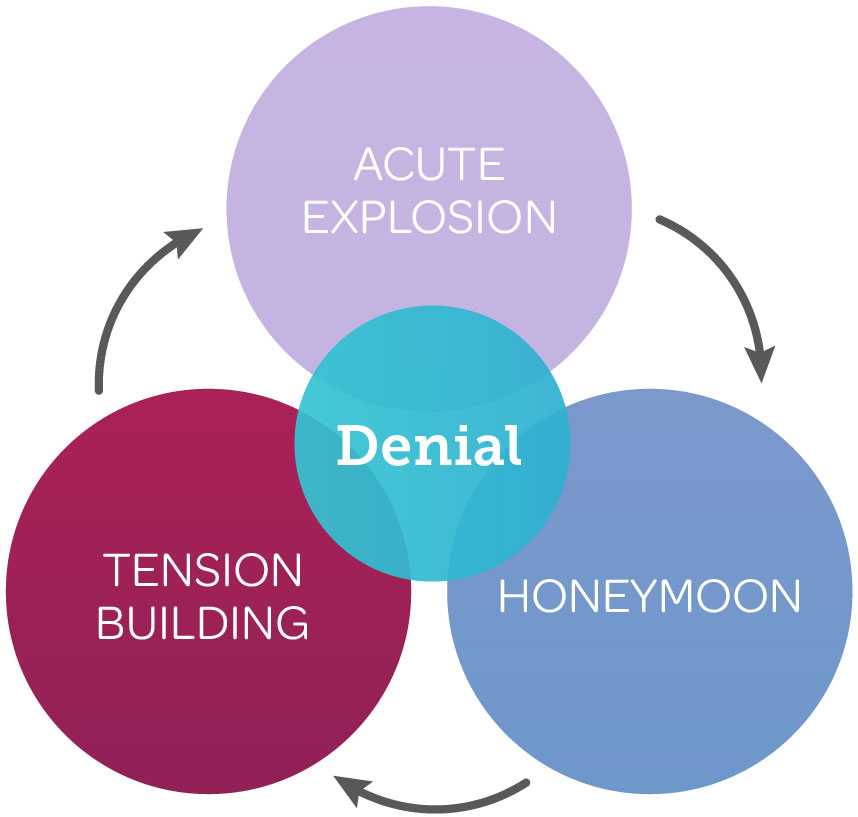
What Everyone Needs to Know About Domestic Violence
Why does discussing domestic violence matter? 1 in 4 women will be affected by domestic violence in her lifetime. Over 7,000 domestic violence cases were reported locally last year. Typically DV is reported after the 8th incident.